John's call for affordable diabetes technology
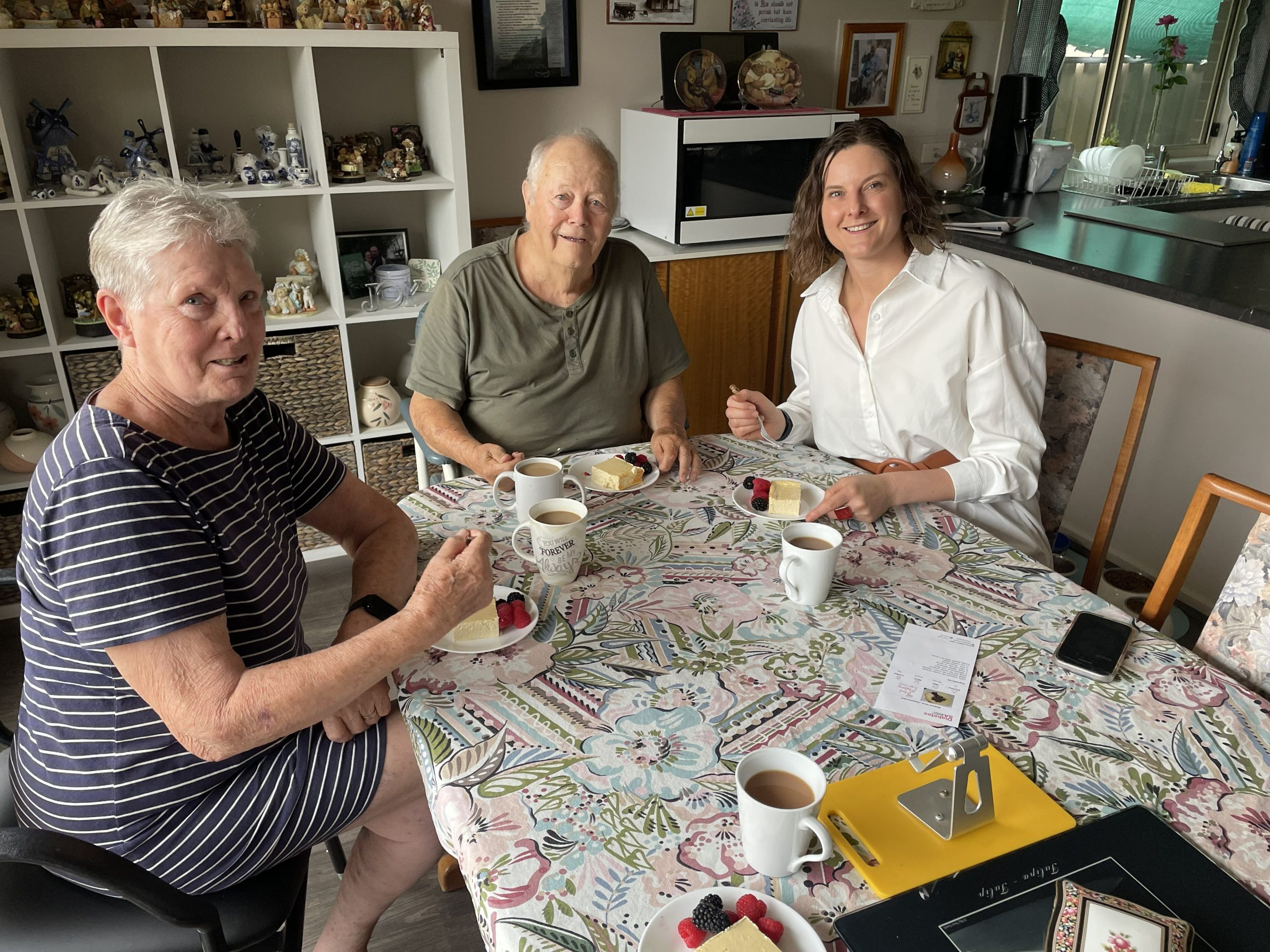
For John Seal, living with type 2 diabetes is a constant balancing act.
“Diabetes has really slowed me down a bit and I just need to keep on checking [my blood glucose levels] to see how I’m going with highs and lows,” Mr Seal, a pensioner from Balaklava, told Rory McLaren on ABC Adelaide radio recently.
“My sensor warns me with a beep if my sugar levels drop while I’m asleep. Only the other night it woke me up because my levels were low. Without that warning I may have needed to call an ambulance by morning.”
Mr Seal and his wife Gretchen, who also lives with type 2 diabetes, had previously accessed Continuous Glucose Monitoring (CGM) sensors through a government-supported ‘support at home’ package. That support has now been withdrawn.
“We rely on these sensors every day to manage our diabetes safely,” he said. “Now we’re facing more than $400 a month just to maintain what was working. As pensioners, that’s simply not sustainable.”
CGM devices track blood sugar in real time and alert users when levels move outside safe ranges, giving people like Mr Seal the ability to react quickly, avoid dangerous episodes, and manage their insulin with confidence.
Diabetes SA Chief Executive Officer Catherine Hughes spoke with ABC Radio Adelaide’s Rory Mclaren about the reality faced by many South Australians like Mr. Seal.
“These technologies are not a luxury–they are essential tools that allow people to safely manage insulin and prevent serious complications,” Ms Hughes said.
“Severe low blood sugar episodes can lead to falls, hospitalisation and long-term complications that could have been prevented with the right tools. When people are priced out of access, the consequences can be serious – both for individuals and the health system.”
One in every 15 South Australians lives with diabetes, and yet many are unable to access life-changing technology that could help prevent complications, hospitalisations, and serious health outcomes.
To address this, Diabetes SA has joined ten diabetes organisations across Australia to submit a Federal Budget proposal requesting expanded subsidies for CGM for people with type 2 and other forms of diabetes. The submission shows that expanding CGM access to around 16,000 Australians with type 2 and other forms of diabetes would cost $106.48 million over four years, while delivering an estimated $1.13 billion in long-term societal benefit.
The Federal Budget proposal also calls for subsidies for Automated Insulin Delivery (AID) systems for people living with type 1 diabetes. With around 38,000 Australians living with type 1 diabetes, expanding access to AID systems would cost $298.95 million, with projected net benefits of $4.28 billion.
During the ABC Radio Adelaide 891 program, listener Luke—who has lived with type 1 diabetes for 48 years—called in to share his experience using an Automated Insulin Delivery system.
“It’s a game changer,” Luke said.
He described how the system significantly reduces the constant mental load of managing diabetes by automatically monitoring glucose levels and adjusting insulin delivery.
“It takes away so much of the time, worry and mental burden, knowing the system is doing what the body is supposed to do—constantly monitoring sugar levels and delivering insulin when it’s needed.”
Ms Hughes said the proposals represent a chance to shift investment upstream, supporting self-management and reducing pressure on hospitals.
“When people like John are forced to choose between financial security and their health, it highlights a system that is not aligned to modern care or equity,” she said.
“These technologies help people manage their daily lives safely, prevent complications, and reduce long-term costs to the health system. Strategic investment here is not just the right thing to do–it’s fiscally responsible.”
The submissions will now be considered in the Federal Budget, as Diabetes SA continues to advocate for equitable access to essential diabetes technology for all South Australians.
Listen to the full radio interview here.
Diabetes SA has received authorisation from ABC Radio Adelaide to share the radio interview recording.


Supporting people living with or at risk of diabetes is at the heart of everything we do.