Diabetes SA Research Grant Program 2022
Diabetes SA announces the 2022 Research Grant Recipients.
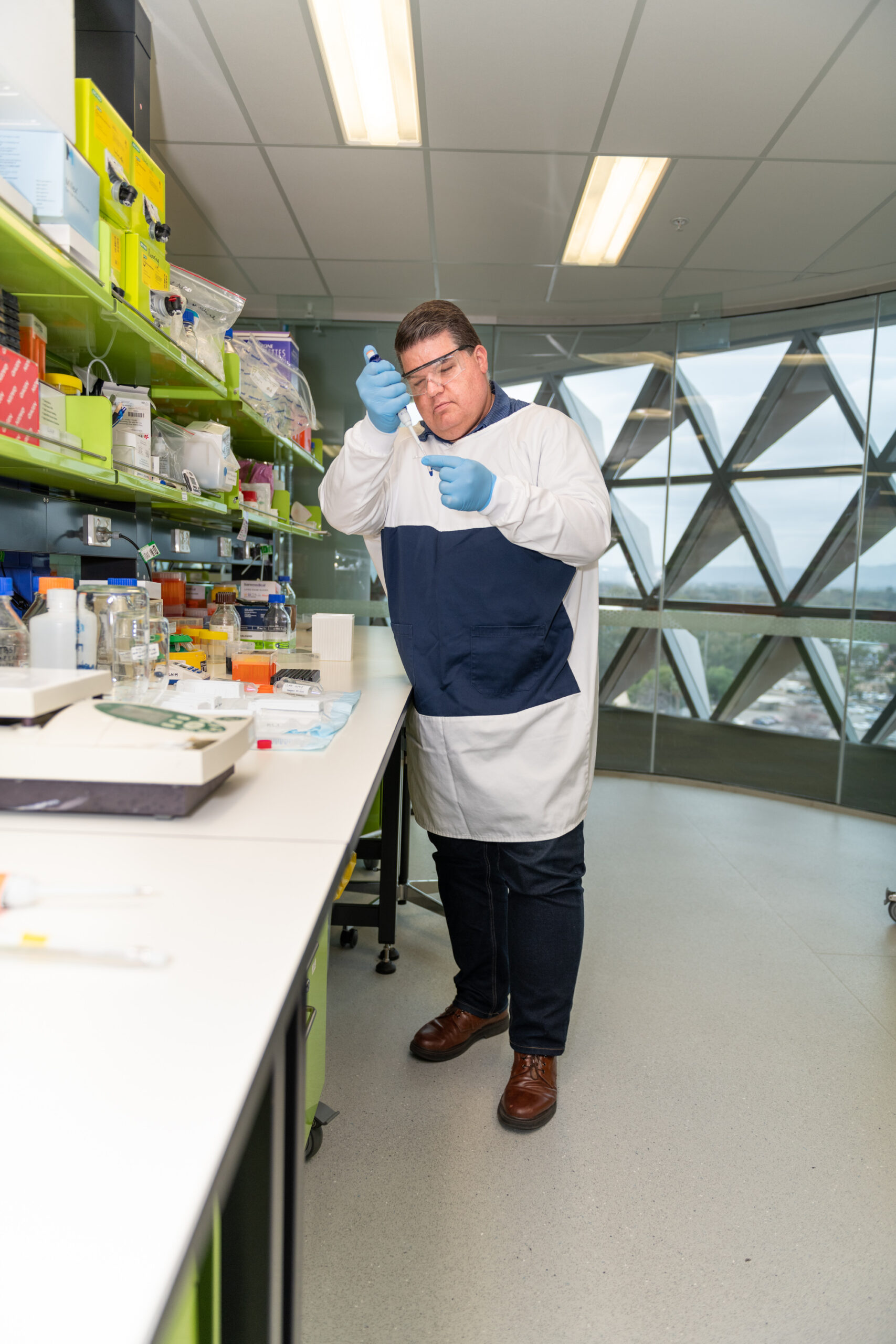
Diabetes SA announces the 2022 Research Grant Recipients.
Each will be awarded with $100,000 for their research project:
Research Grants Program 2022
Defining the contribution of epigenetics to the intergenerational cycle of type 2 diabetes in Aboriginal people.
Children born to mothers with diabetes in pregnancy are more at risk of developing diabetes and obesity. Given the much higher rates of diabetes in pregnancy amongst Aboriginal and Torres Strait Islander women and the widespread health inequalities experienced by these communities, Aboriginal and Torres Strait Islander children are disproportionately impacted by the negative consequences of being exposed to diabetes in the womb. There is, therefore, a pressing need to identify risk markers in these children to facilitate early prevention of these conditions and that will also provide information about the mechanisms behind how diabetes develops in these children. This study will measure changes in a DNA chemical tag in the blood of Aboriginal and Torres Strait Islander children born to mothers with diabetes in pregnancy to determine how well it predicts future obesity and diabetes risk. We are grateful to Diabetes SA for supporting our research.
Dr Lisa Marie Nicholas leads a research group at the University of Adelaide where she is interested in understanding how a child’s metabolic destiny is determined even before birth by their mother’s metabolic health during pregnancy. This is achieved through studies in animal models of obesity and diabetes in pregnancy as well as in human birth cohorts such as the Pregnancy and Neonatal Diabetes Outcomes in Remote Australia study. Dr Nicholas undertook her PhD under the mentorship of the current Chief Scientist of South Australia, Prof Caroline McMillen and following that completed post-doctoral training in pancreatic beta-cell biology at Lund University Diabetes Centre, Sweden and in developmental programming at the University of Cambridge, UK.
Research Grants Program 2022
Blocking intestinal sweet taste for better glycaemic control in type 2 diabetes.
The gut is essential in controlling how fast the glucose we ingest is absorbed into our bloodstream, and its subsequent metabolism within the body. Richard’s team, based at The University of Adelaide, have discovered that the gut detects and responds to sweet in a similar manner to the tongue. This gut ‘sweet taste system’ is essential in the control of glucose absorption.
Blocking the gut ‘sweet taste system’ via a novel sweet taste blocker – lactisole – is likely to improve blood glucose control in people with type 2 diabetes by slowing their glucose absorption, increasing their gut hormone responses, and protecting against deleterious diet-related changes in gut bacteria composition.
We first completed a pilot study in fasted individuals who consumed a novel encapsulated form of paracetamol, where we tracked levels in blood. Paracetamol appeared in blood after only one to four hours, validating that we had slowed its absorption. This encapsulation will now be used in the main study to delay the release of (otherwise) rapidly absorbed lactisole to gut regions that have the greatest sweet sensing capability.
Subject recruitment is now open for the main study, and YOU can be involved!
The main study will require an additional 6-9 months to compare clinical and gut bacteria benefits upon administering lactisole. Once this is completed in 2024, faecal bacteria will be analysed for composition and linkages will be established and compared between health and type 2 diabetes.


Supporting people living with or at risk of diabetes is at the heart of everything we do.